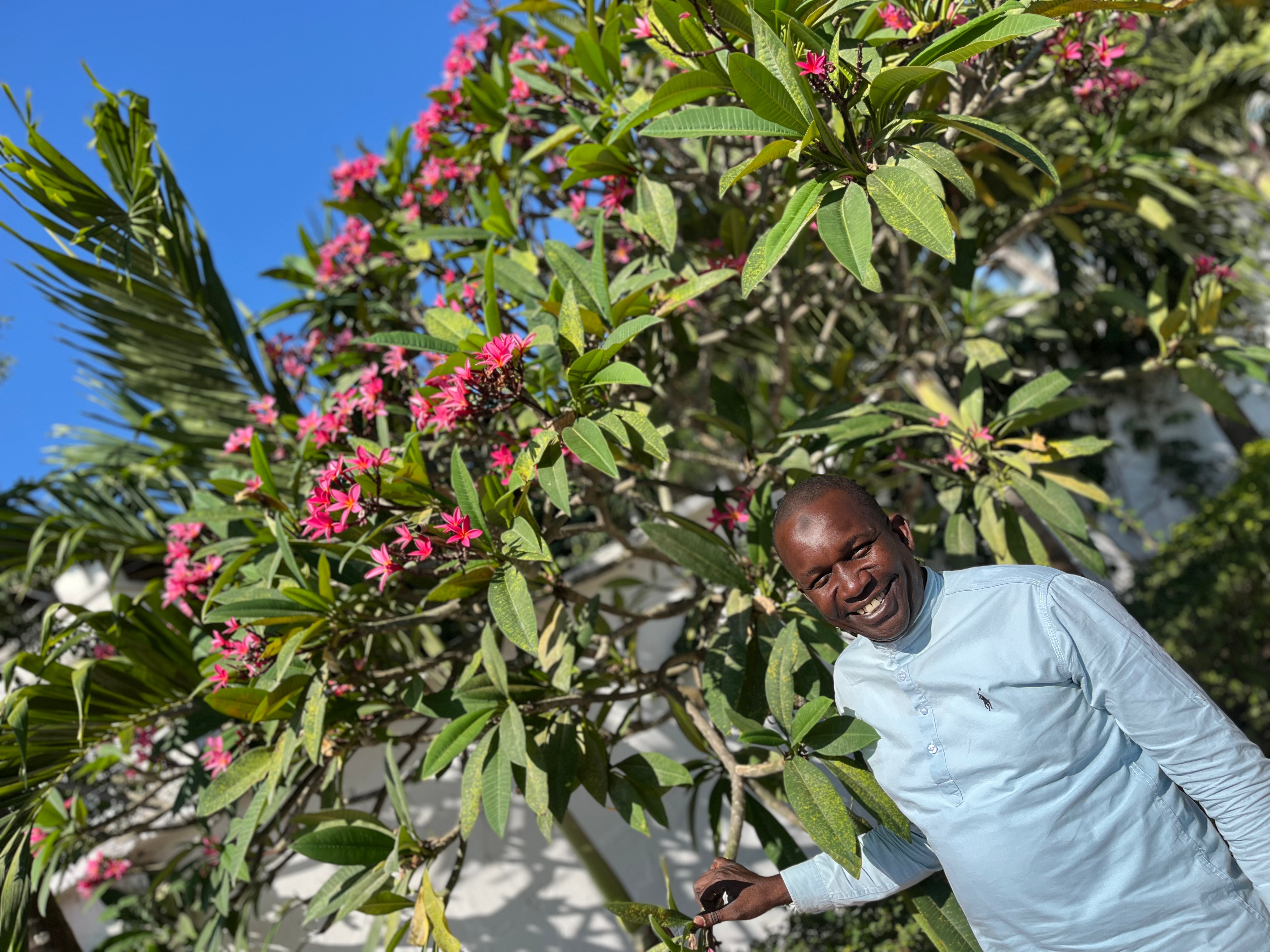
Haji Fatawi (pictured above), our Mental Health Co-Ordinator, speaks about his background with HIPZ and how the landscape of mental health has changed through our work over the years.
Development of Mental Health Services in Zanzibar
Makunduchi Hospital had no regular mental health clinic, there was one psychiatric nurse who provided services, and only when he was on duty. In 2001, Fatawi began his journey as a psychiatric nurse by establishing a modest but consistent weekly mental health clinic.
Since its official opening in 1985, Makunduchi Hospital had never conducted emergency surgeries, planned operations were carried out occasionally by a surgical outreach team from Mnazi Mmoja Referral Hospital.
“There were so many gaps at the hospital,” recalls Fatawi. “HIPZ came in, listened, and brought us together with the community to find solutions.”
From the beginning, HIPZ sought to understand the community’s needs, organising meetings with hospital staff and local leaders. Recognising Fatawi’s commitment and potential, HIPZ supported him to train in anaesthesia. In 2009, Fatawi graduated, enabling him to provide safe anaesthesia for both planned and emergency surgeries. This marked the start of a transformation.
Filling The Gaps
At the time, there were no mental health professionals in the region. Fatawi stepped in and led the clinic, often balancing surgery work with his mental health responsibilities.
“I was the only one running the mental health clinic. There was no specialist, so I stepped in. Later, I was also in theatre doing surgeries.”
Over time, HIPZ’s involvement deepened—recruiting hospital managers and building capacity from within. Fatawi became deputy hospital manager and later, in 2017, took on a new challenge as mental health programme coordinator under a HIPZ and Comic Relief partnership.
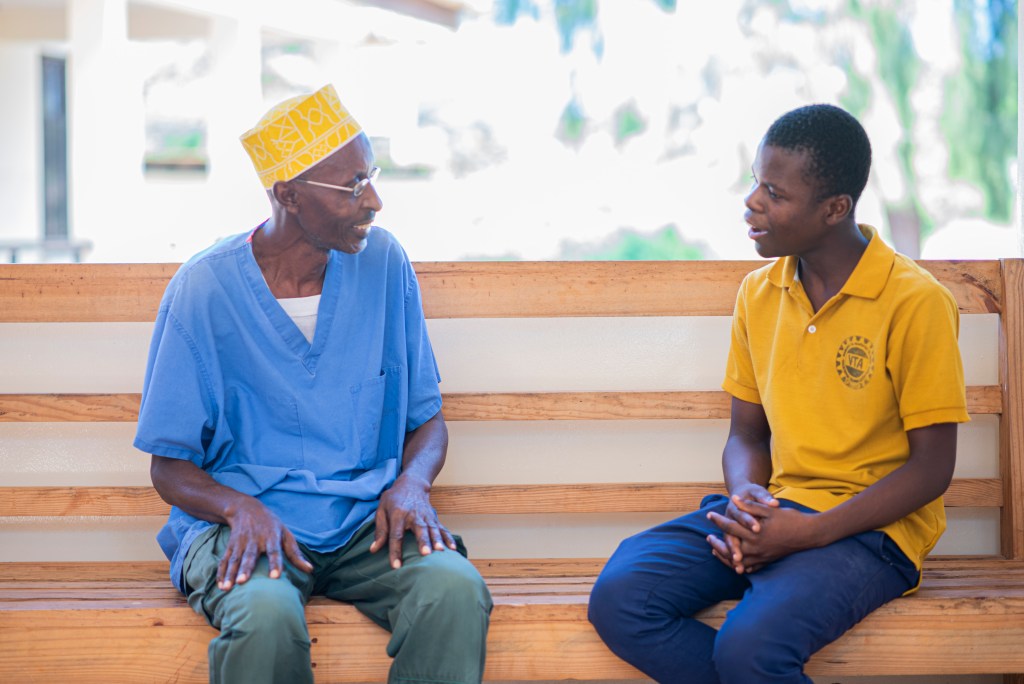
Dawati Rafiki - Friendship Bench
One of the key initiatives was Dawati Rafiki, a community-based talking therapy model inspired by Zimbabwe’s “Friendship Bench.” Recognising Zanzibar’s unique cultural and religious context—where over 95% of the population is Muslim—the team piloted the programme with local modifications.
“In Zimbabwe, people talk on benches outside. But here in Zanzibar, people prefer privacy. We adjusted the model—some sessions happen in clinics, others at home. What matters is connection.”
Tools For Impact
Using the SSQ-14 (Shona Symptom Questionnaire), translated and validated for Zanzibar, CHVs (Community Health Volunteers) screened individuals for symptoms of anxiety and depression. Those scoring 8 or above were offered six sessions of talking therapy
“We found that the SSQ tool worked well,” says Fatawi. “It helped us know who needed support and when to refer them to the clinic.”
Crucially, suicidal ideation prompted an immediate referral to a health centre. The system was responsive, respectful, and rooted in local knowledge.
Engaging Tradition & Breaking Stigma
Mental health challenges in Zanzibar are often interpreted through a spiritual lens. HIPZ worked to bridge the gap between traditional and clinical care.
“Many people believe in genies. There’s a Qur’anic reference to them. When someone has hallucinations or delusions, they might go to a sheikh or a traditional healer. We respect that—so we engaged the healers too.”
By collaborating with traditional healers and religious leaders, the programme helped communities understand mental illness in both scientific and spiritual terms. The result? Reduced stigma and greater trust.
“Before, people used to run away from someone with epilepsy. Now, they help. That’s awareness. That’s progress.”
Pamoja Afya Bora: The Next Chapter
Building on this momentum, in partnership with The Lady Fatemah Charitable Trust, HIPZ launched Pamoja Afya Bora, a two-year programme targeting 90,000 Zanzibaris. With 56 trained healthcare workers, each one delivers two sessions per month with 25–30 community members. Sessions are interactive, filled with activities that spark empathy and understanding.
“We don’t just talk. We ask: What are the good names for someone with mental health challenges? What are the bad ones? How does it feel to be ignored by a doctor? The community learns through acting and reflection.”
Expanding Our Reach: Youth-Friendly Mental Health, Thanks to Geoff Herrington Foundation
In 2022, HIPZ launched its first youth-friendly mental health services thanks to seed support from the Geoff Herrington Foundation (GHF). Recognising the urgent need among young people, GHF continued their partnership in 2024, awarding a grant to expand the programme across both main islands, Unguja and Pemba.
This funding enabled HIPZ to:
Train 170 Community Health Workers in youth-specific mental health screening and support.
Deliver over 550 workshops in secondary schools, reaching thousands of students aged 13–18.
Conduct outreach sessions in 15 youth clubs, expanding reach to older youth aged 18–24.
Provide mental health screening for nearly 3,000 young people, referring 206 for psychiatric support.
Educate families and caregivers, impacting over 11,500 people indirectly.
In addition, CHWs participated in large-scale community events like the Makunduchi Traditional Food Festival, further embedding mental health into local culture and healthcare. The ripple effect of improved mental wellbeing is reaching entire families and communities, shaping a healthier, more resilient Zanzibar.
Mental health has been integrated into the Minimum Intervention Package for Community Health Workers, enabling them to continue providing psychological support and mental health first aid within the community.