Cardiovascular diseases are the number 1 cause of death globally: more people die annually from CVDs than from any other cause (World Health Organisation). Dr. Afzalhussein Yusufali, a volunteer cardiologist with HIPZ since 2022, has been at the forefront of this transformation in cardiology care in Zanzibar, helping to establish essential cardiology services in district hospitals where they were once nonexistent.
A Shift In Healthcare Needs
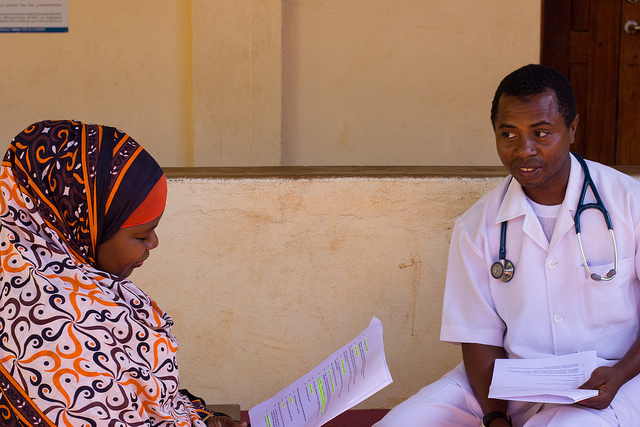
Dr. Yusufali, who was born in Tanzania and trained in both general medicine and cardiology, has seen firsthand the dramatic shift in healthcare challenges over the years.
“When I first started working in our hospitals in Tanzania, the biggest concerns were infectious diseases like malaria, amoebic liver abscess and tuberculosis. But now, 40 years on, the landscape has completely changed—diabetic foot, heart failure, and stroke are dominating our hospital medical wards,” he explains.
This shift reflects a broader global trend: as infectious diseases become more manageable, non-communicable diseases (NCDs) like hypertension, diabetes, and cardiovascular disease take center stage, especially in developing countries. With changing lifestyles, increasing urbanization, and dietary shifts, heart disease has emerged as a leading cause of death in Zanzibar. Yet, for many years, the necessary diagnostic and treatment facilities were simply not available.
Building A Cardiology Service From The Ground Up
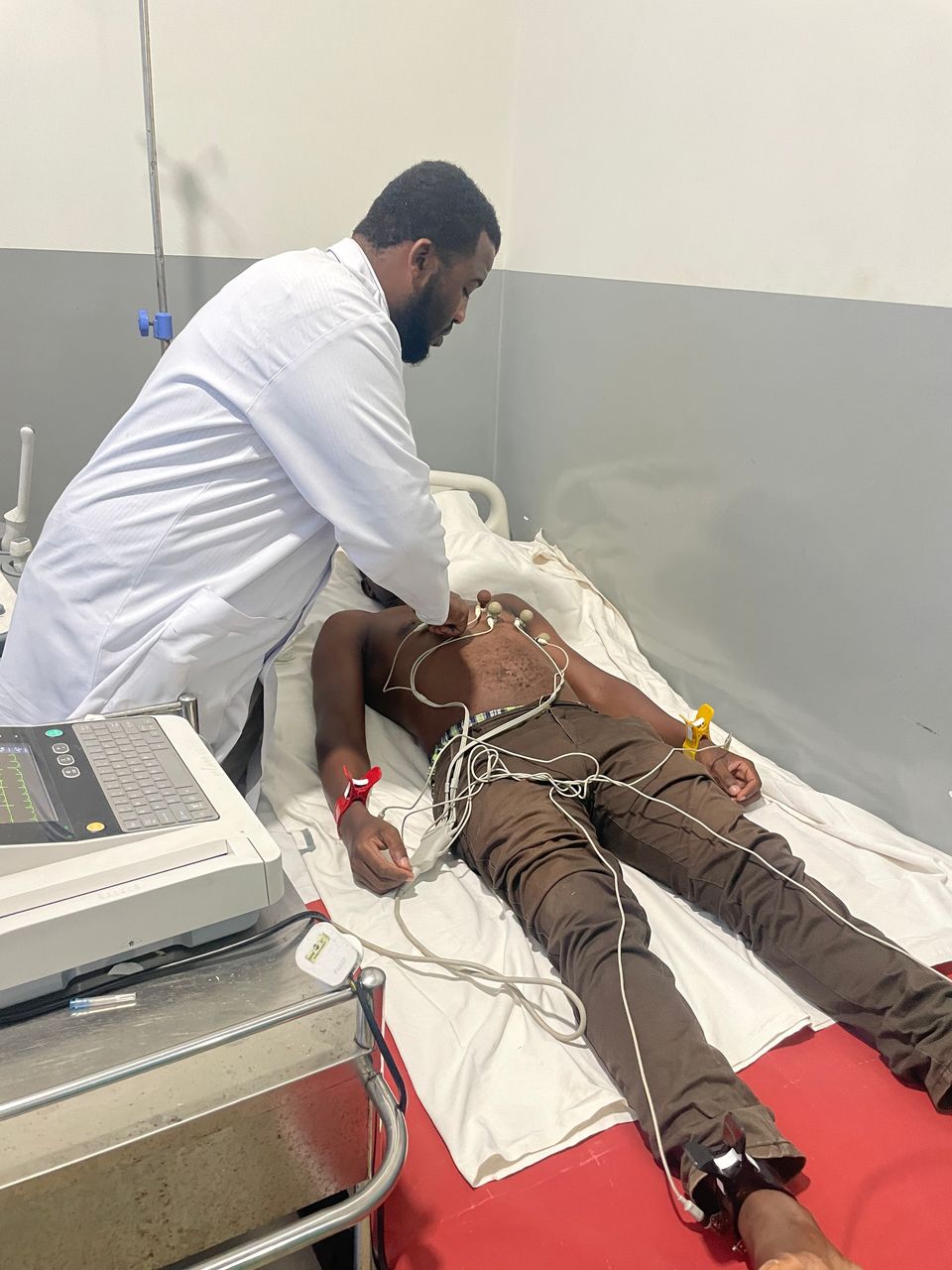
Before HIPZ’s intervention, diagnosing cardiac conditions in Zanzibar was a challenge: “There wasn’t even an ECG machine—meaning doctors had no way of assessing heart issues,” says Dr. Yusufali. Recognizing this critical gap, HIPZ stepped in to provide training and essential equipment to the local medical teams.
One of the first major steps was setting up regular Continuing Medical Education (CME) sessions for doctors and nurses, helping them develop the skills needed to read ECGs. “The enthusiasm was there, but they just needed guidance,” Dr. Yusufali recalls. Eventually, after securing an ECG machine in Kivunge District Hospital, HIPZ took the next step: sending doctors to a cardiac institute for specialized ECHO training. With this newly acquired expertise, the first dedicated cardiac clinic was established.
A Lifeline for Patients Across Zanzibar
Today, the Kivunge cardiology clinic runs twice a week, offering vital diagnostic and follow-up care for heart patients. On Tuesdays, patients undergo ECGs and clinical assessments, while Wednesdays are dedicated to those already diagnosed with heart conditions who need ongoing treatment. “Patients travel from all over the island—some from Nungwi, others from Stonetown where they had to go—just to access these services,” says Dr. Yusufali.
Buoyed by the success at Kivunge, HIPZ has now expanded its cardiac care initiative to Mbuzini Hospital, where ECG training has already been provided to eight healthcare workers. “We’re working on securing more equipment so we can replicate the same progress we’ve made at Kivunge,” Dr. Yusufali says.
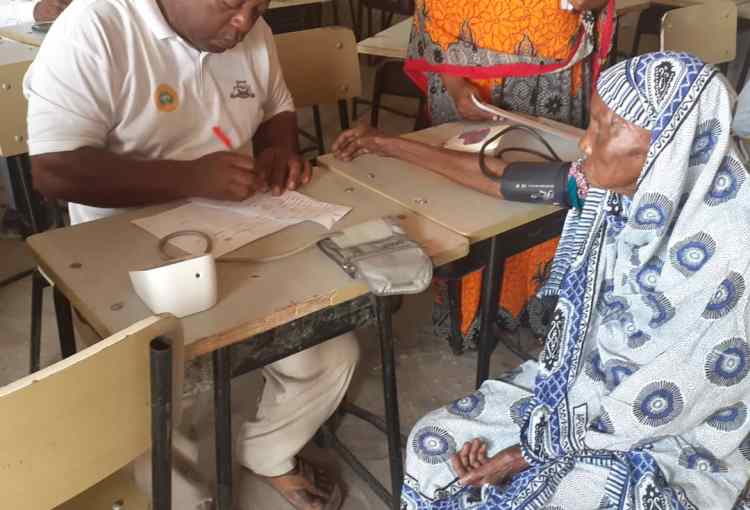
Hypertension awareness has also become a key focus. “So many people in Zanzibar have high blood pressure and don’t even know it. That’s why we’ve been training community health workers to screen for hypertension, empowering clinics with the right knowledge and tools,” he explains. Diabetes management has been another area of attention, given its strong link to heart disease and kidney failure.
Future of Cardiology in Zanzibar
Despite the incredible progress, there’s still much to be done. “Cardiovascular diseases are now one of the biggest issues in district hospitals, yet resources remain limited,” says Dr. Yusufali. More funding is needed to expand services, purchase additional ECG and ECHO machines, and continue training local doctors and nurses.
Through HIPZ, we’re not just treating patients—we’re building a sustainable cardiology service that will benefit generations to come. The more we train, the better the outcomes, and the stronger the health system will be. With continued support, HIPZ’s cardiology programme has the potential to become a model for cardiac care in low-income settings.