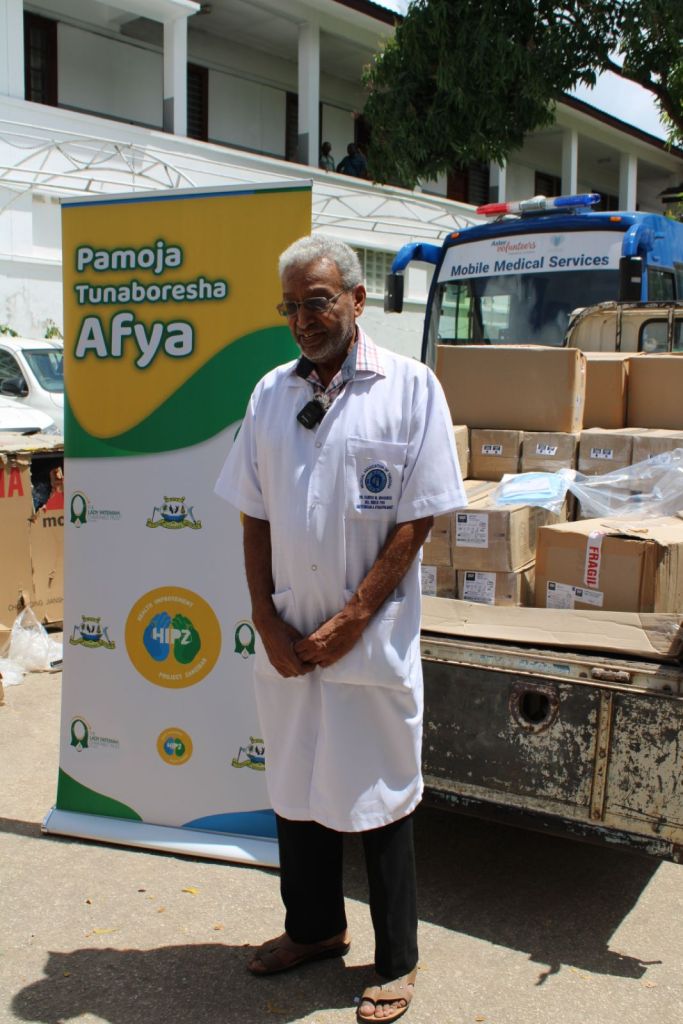
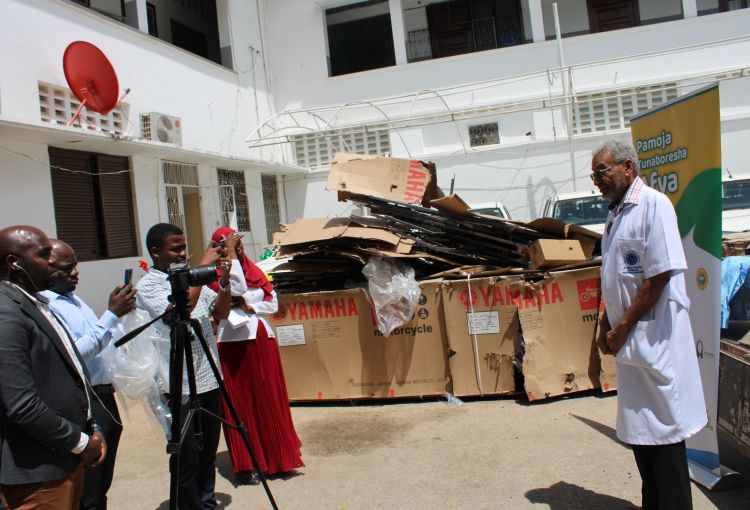
Dr. Hamed, a prominent Obstetrician and Gynaecologist in Zanzibar, has devoted his career to improving maternal health. His journey from Stone Town, where his family has lived for six generations, to global stages in medicine, reflects his enduring passion for healthcare.
Born and raised during the colonial period, Dr. Hamed’s educational pursuits led him beyond the borders of Zanzibar, yet he never lost sight of his home. His life is a story of commitment, resilience, and deep personal ties to Zanzibar and the broader healthcare community.
A Global Medical Journey
Hamed’s career began with a scholarship to the Soviet Union in 1969, where he obtained his first degree in medicine. The cultural shift was dramatic—moving from the warm, tropical climate of Zanzibar to the sub-zero winters of the Soviet Union. Yet, the focus remained steadfast on acquiring medical knowledge. Alongside his studies, Dr. Hamed developed an unexpected love for classical music, immersing himself in the works of Beethoven and Mozart, which he continues to enjoy today. After returning to Tanzania in 1976, Dr. Hamed completed his internship at the University Hospital in Dar es Salaam. He spent several years working as a general practitioner before specialising in obstetrics and gynaecology, receiving training in Birmingham, Vienna, and Uppsala. His clinical work took him across Tanzania and into Mozambique, where he worked with the UNDP as an Obstetrician Gynaecologist.
His deep expertise in maternal healthcare led him to specialise in complex surgeries, including fistula repairs, honing his skills at the renowned Addis Ababa Fistula Hospital for women with birth injuries in Ethiopia in 1995. During that time, he operated fistula cases under the guidance of the late Dr. Catherine Hamlin, and renowned Ethiopian Fistula surgeons; Dr Mulu Muleta and Dr Ambaye.
The Impact of HIPZ: A Partnership in Healthcare Transformation
Dr. Hamed’s relationship with Health Improvement Project Zanzibar (HIPZ) began informally, but our collaboration would become pivotal in addressing Zanzibar’s maternal health crisis. “Maternal mortality rates in Zanzibar were unacceptably high,” he recalls. “Our biggest challenge was addressing the haemorrhages and bleeding that claimed many lives during childbirth.” HIPZ, in partnership with the Ministry of Health, has been supporting efforts to reduce maternal deaths through a multi-faceted approach.
Dr. Hamed emphasises that tackling maternal mortality in Zanzibar has required more than just skilled doctors—it demanded a systemic change. Hospitals were overcrowded, supplies were low, and blood shortages created significant challenges. Yet, with the right mentorship and training, Dr. Hamed believes that even in resource-limited settings, life-saving solutions are possible.
Transforming Healthcare, One Doctor at a Time
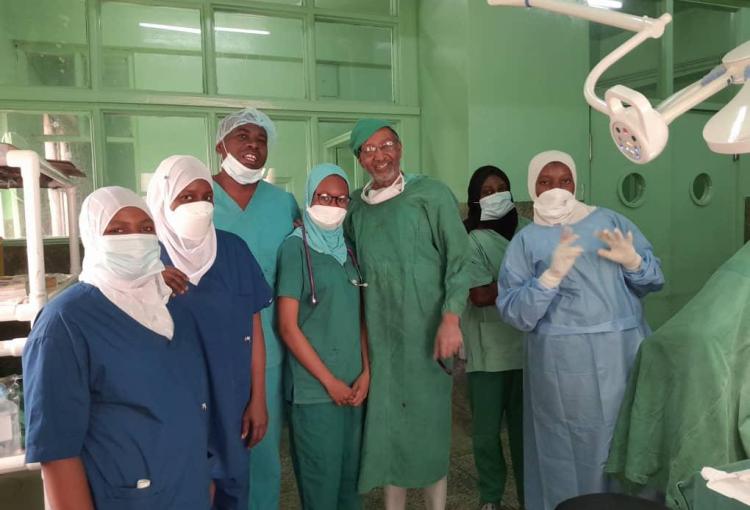
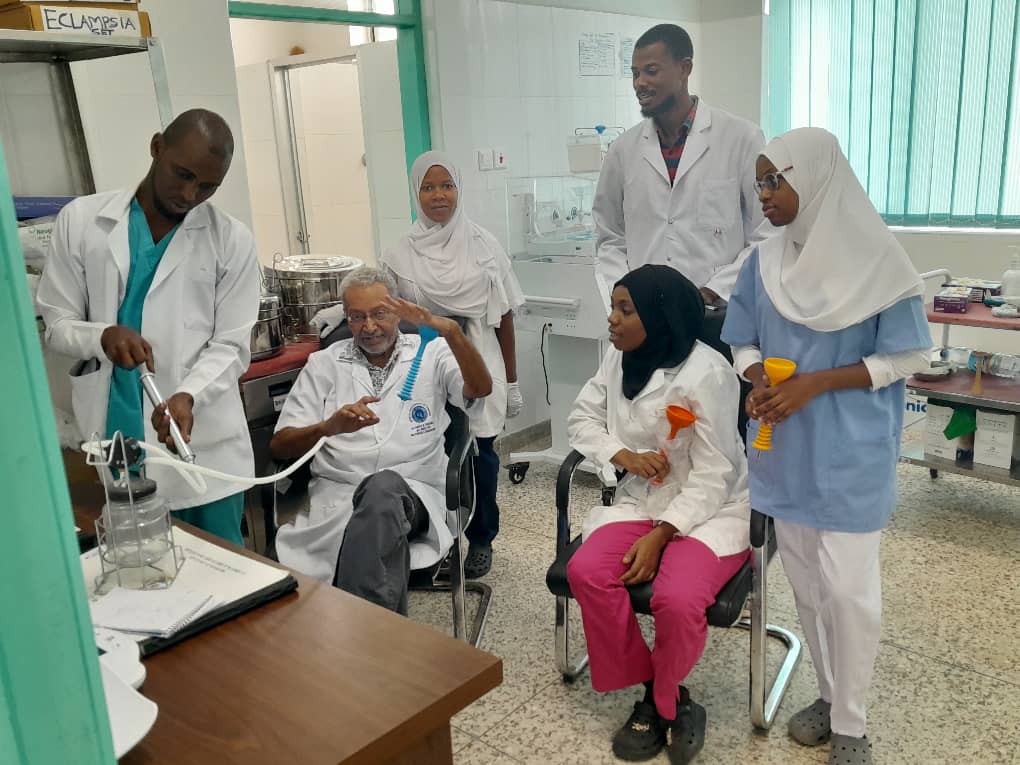
One of the key strategies that Dr. Hamed and HIPZ implemented was capacity-building for junior doctors. “It’s not about medical tourism or senior consultants coming in and leaving after a week. It’s about being present, teaching consistently, and building confidence among the local staff,” he explains. Dr. Hamed introduced a simplified technique for performing C-sections, which drastically reduced blood loss and was easy for young doctors to learn.
“The key to impactful mentorship is trust. Doctors and nurses should not see the mentor as a threat but as one of them.” Through this approach, junior doctors have been gaining not only knowledge but the confidence to perform complex procedures. One of his most remarkable personal and professional achievements has been reducing maternal deaths at the main referral hospital in Zanzibar: “Before we started, there were 57 maternal deaths per year. In just three years, we cut that number in half,” says Dr Hamed proudly. The training emphasised managing postnatal haemorrhaging, even when critical supplies were low: “We taught them how to save lives when you have nothing—no oxytocin, no equipment, but still the ability to act.”
Cultural Challenges and Community Engagement
Dr. Hamed’s deep understanding of Zanzibar’s cultural landscape has been key to his success in addressing maternal healthcare challenges. Traditional customs, taboos, and misinformation surrounding childbirth are deeply ingrained in many communities. “In Tumbatu Island, for example, it’s believed that women cannot cross water channels after giving birth, even if they need urgent medical attention. These are life-threatening traditions,” he explains. Dr. Hamed has long advocated for community-based education that transforms behaviour rather than simply providing information. His 1982 research into cultural practices surrounding childbirth remains a foundation for understanding how to address harmful traditions. “We need to go beyond health information and create transformative education,” he insists.
The Future of Maternal Healthcare in Zanzibar
Despite the challenges, Dr. Hamed remains optimistic about the future of maternal healthcare in Zanzibar. “Zanzibar is small, which means it’s easier to make a big impact,” he says. With HIPZ’s continued support, Dr. Hamed believes that the third delay—the institutional delay—can be overcome through improved skills, better resource management, and capacity-building for healthcare workers. “By focusing on training doctors and creating an enabling environment with the right supplies, we can make miracles happen,” he concludes with hope.
A Legacy of Healing and Mentorship
Despite the challenges, Dr. Hamed’s legacy is one of deep commitment to his community, transformative mentorship, and a passion for maternal healthcare that has touched thousands of lives. His work with HIPZ has not only saved lives but also empowered a new generation of healthcare professionals in Zanzibar. “I believe in building capacity.” he says. “That is how we create lasting change.”
Through his journey from Zanzibar to the global medical stages, and back to the communities where it all began, Dr Hamed’s life is a testament to the power of knowledge, humility and unwavering dedication to the health of mothers and children in Zanzibar.