
Advancing Laboratory Capacity and Antimicrobial Stewardship Across Zanzibar

Spotlight on Dr Ayan
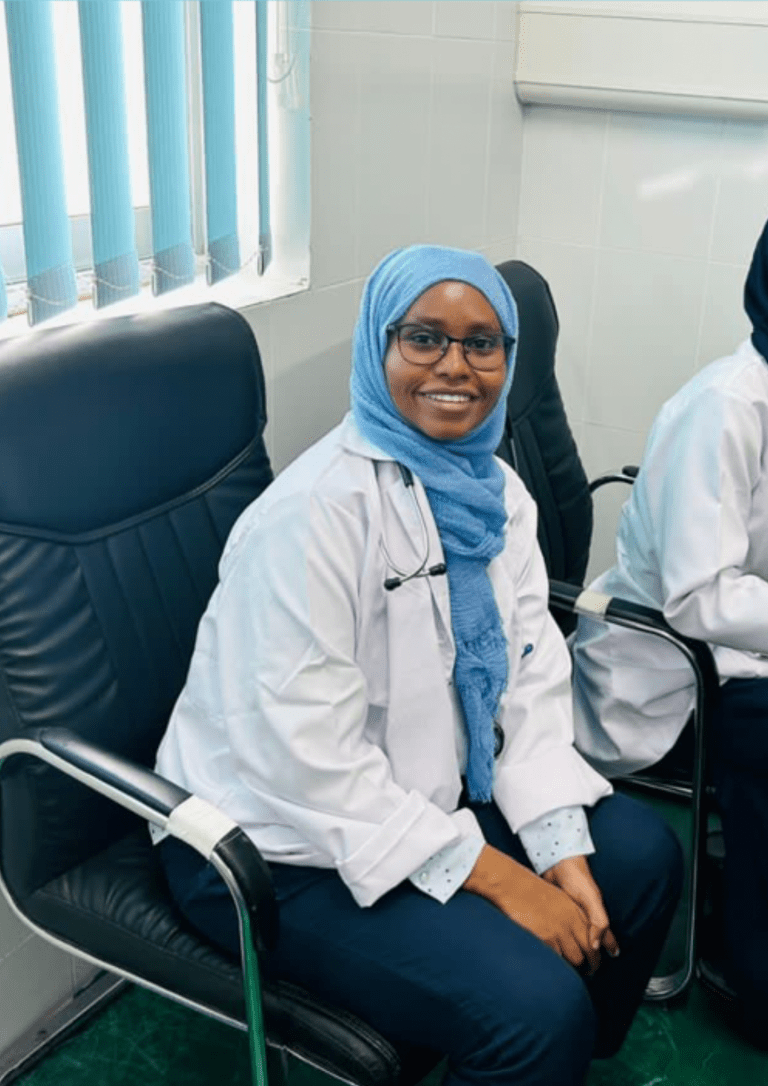
When Dr. Ayan joined the Health Improvement Project Zanzibar (HIPZ) in 2022, she brought with her both clinical experience and a deep passion for public health.
A medical doctor by training, Ayan had spent a year and a half working in a privately owned hospital, primarily managing patients with chronic illnesses such as hypertension and diabetes.
Although she witnessed firsthand the benefits of private care, she also saw the disparities within the healthcare system—particularly the challenges faced by patients in government facilities where, by then, stockouts of essential medicines were common. These experiences motivated her to pursue opportunities that would make quality healthcare more equitable and accessible.
From Non-Communicable Diseases to Public Health Impact
Ayan first joined HIPZ as a Programme Coordinator on a project focused on hypertension screening, management, and awareness. Given that hypertension often presents without symptoms, the initiative aimed to promote screening for early detection, diagnosis, management, to strengthen referral pathways, all while improving community awareness through mass media campaigns, including radio education and TV, and through community outreaches.
Under her coordination, HIPZ’s hypertension project screened over 180,000 people across Zanzibar, significantly advancing early detection of non-communicable diseases (NCDs). The experience deepened her understanding of preventive healthcare and the importance of reaching populations beyond hospital settings.

Leading Zanzibar’s Antimicrobial Resistance (AMR) Response
While Dr Ayan still actively deals with NCDs, especially through our Cardiovascular project with IHP, she transitioned to focus on a new clinical role as Project Coordinator for Antimicrobial Resistance Surveillance.
Launched in February 2024, the AMR project represents a critical response to one of the world’s most pressing public health challenges—the growing resistance of microbials to antibiotics. Prior to this initiative, clinical microbiology services were only available at Zanzibar’s national hospital, Mnazi Mmoja, leaving a significant gap at the district level.
Through HIPZ, all testing is done at Makunduchi and other hospitals from various levels across Zanzibar are now able to benefit from these services through a sample referral system. This is a significant transition to strengthening healthcare delivery and supporting national health reforms.

Building Systems for Evidence-Based Care
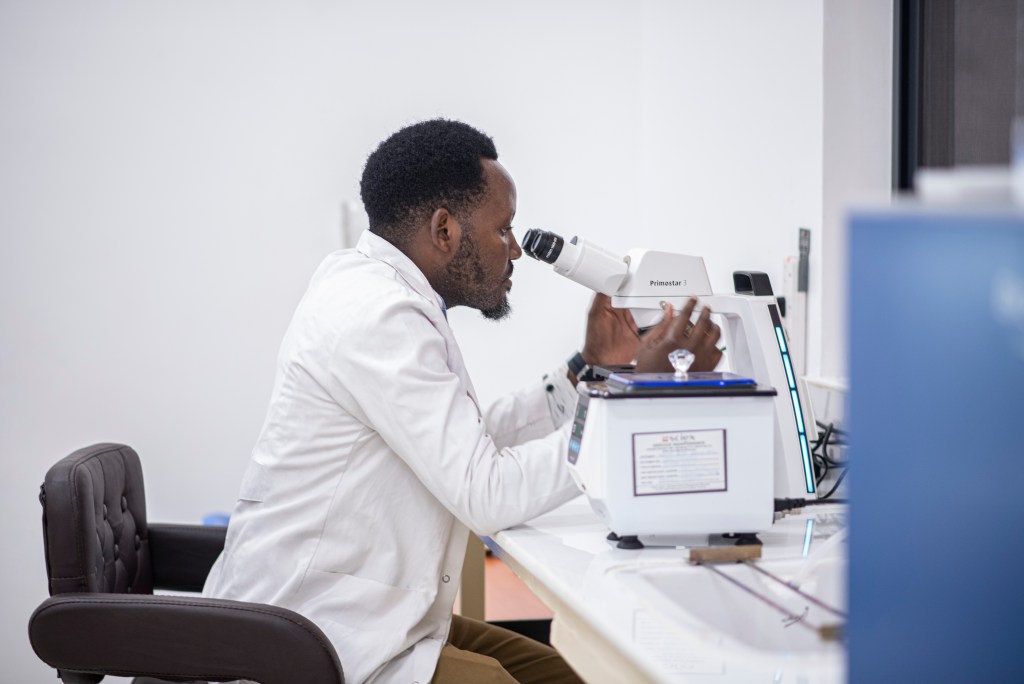
The AMR project combines diagnostics, capacity building, stewardship, and data management to ensure a comprehensive approach to antimicrobial resistance.
- Diagnostics: Patient samples are collected from ten participating health facilities and processed in HIPZ-supported laboratories. The resulting data enables clinicians to identify specific pathogens and select the most effective antibiotic treatments.
- Antimicrobial Stewardship: HIPZ trains clinicians to make evidence-based prescribing decisions, helping reduce unnecessary antibiotic use and slow the spread of resistance.
- Capacity Building: Healthcare workers receive training in proper sample collection, storage, and transport to ensure sample integrity from peripheral facilities to central laboratories.
- Data and Surveillance: Regular feedback sessions with medical teams provide updates on resistance patterns and isolate trends. The data informs local treatment guidelines, and the aim is to submit the data into the World Health Organization’s Global Antimicrobial Resistance Surveillance System (GLASS) through Zanzibar’s Ministry of Health—a milestone that will position Zanzibar within the global AMR surveillance network.
Strategic Partnerships and Technical Collaboration
HIPZ’s AMR work is implemented in collaboration with several key partners to strengthen infectious disease research.
Through a partnership with the Bernhard Nocht Institute for Tropical Medicine (BNITM), and underpinned by a joint agreement between the Ministry of Health, the project benefits from technical exchange and quality assurance support, including site visits from microbiologists.
HIPZ also works closely with the Zanzibar Health Research Institute through joint projects such as ZANTOTO, which expand research on AMR patterns in different patient populations. In Pemba, the organization has strengthened laboratory capacity by donating equipment to the Public Health Laboratory, ensuring microbiology services reach both major islands.
At Makunduchi Hospital, the project team now includes two microbiologists and a data manager, underscoring HIPZ’s commitment to sustainable system strengthening.

Sustaining the Future of AMR Surveillance
For Ayan, the most rewarding aspect of her work has been seeing how HIPZ’s presence has transformed both healthcare delivery and clinical awareness in Zanzibar. Facilities that previously lacked diagnostic capabilities are now integrating blood testing and bacterial culture into their clinical routines- a shift that is improving patient outcomes and reducing the misuse of antibiotics.
Her role also extends to policy engagement. As a member of one of the Ministry of Health’s technical working groups, Ayan contributes data-driven insights to inform decision-making at the national level.
“HIPZ is currently the only development partner conducting AMR surveillance in Zanzibar,” Ayan notes.
“This work must be continuous. Sustainability depends on government investment, reliable data, and strong advocacy to ensure that laboratories like Makunduchi continue operating long after project funding ends.”
Through her leadership, HIPZ is helping build the foundation for a sustainable, evidence-based antimicrobial resistance surveillance system – one that will continue to safeguard public health and strengthen Zanzibar’s resilience to infectious disease threats.